I first tried roselle tea at a friend's place, half-expecting something like the hibiscus cordial my grandmother used to make. It was close, but sharper — almost like someone had taken cranberry juice and given it a tea's worth of depth. That tartness is what hooks most people, honestly. It's not trying to taste like tea, and that's exactly the point. Roselle tea has been picking up a steady following among herbal tea drinkers in India who want something caffeine-free but don't want to settle for a bland, "healthy-tasting" cup. This guide covers what it actually is, how it's different from the hibiscus tea you may already know, how to brew it properly, and what's worth paying attention to if you're buying it online.
What Is Roselle Tea?
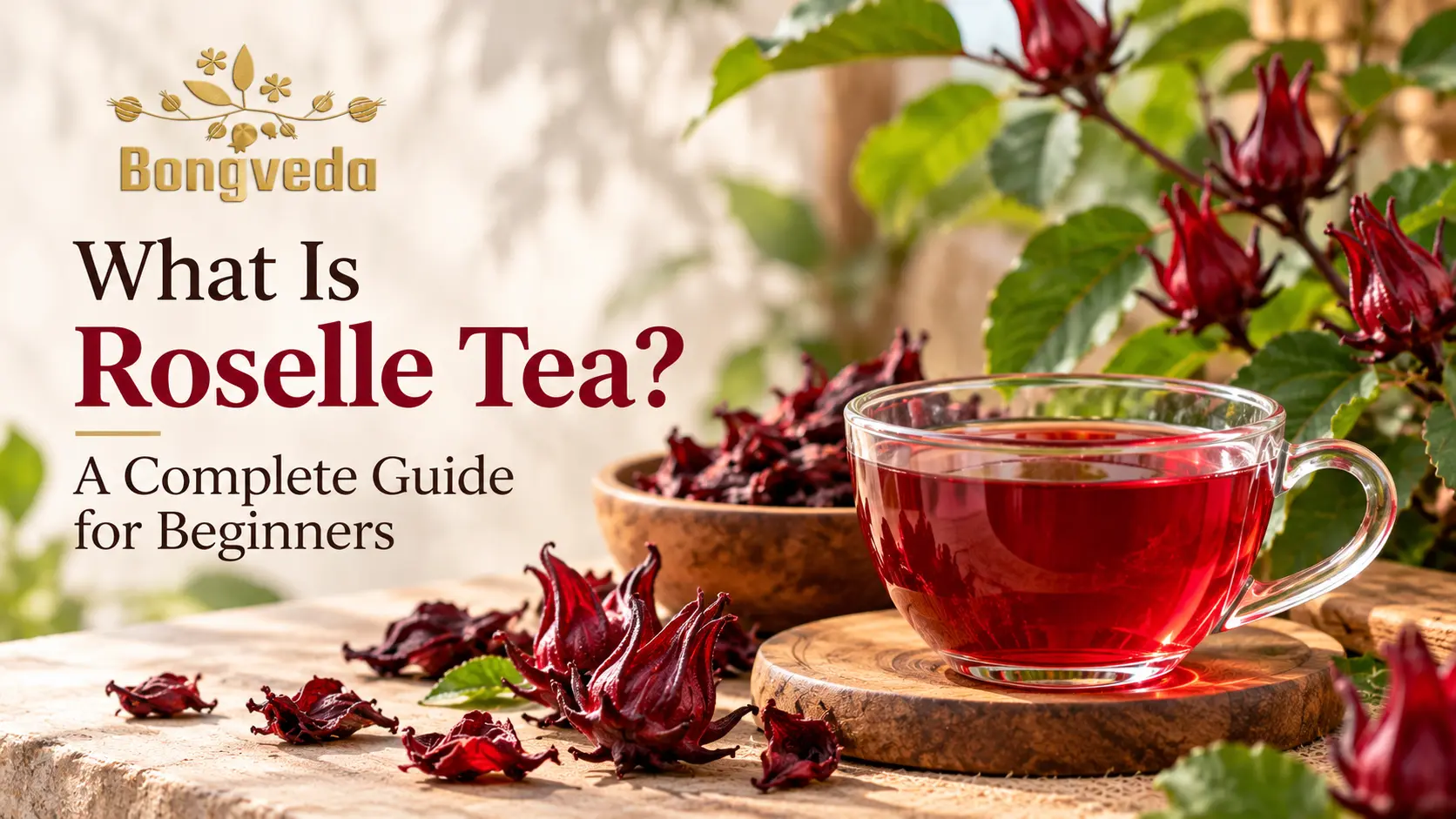
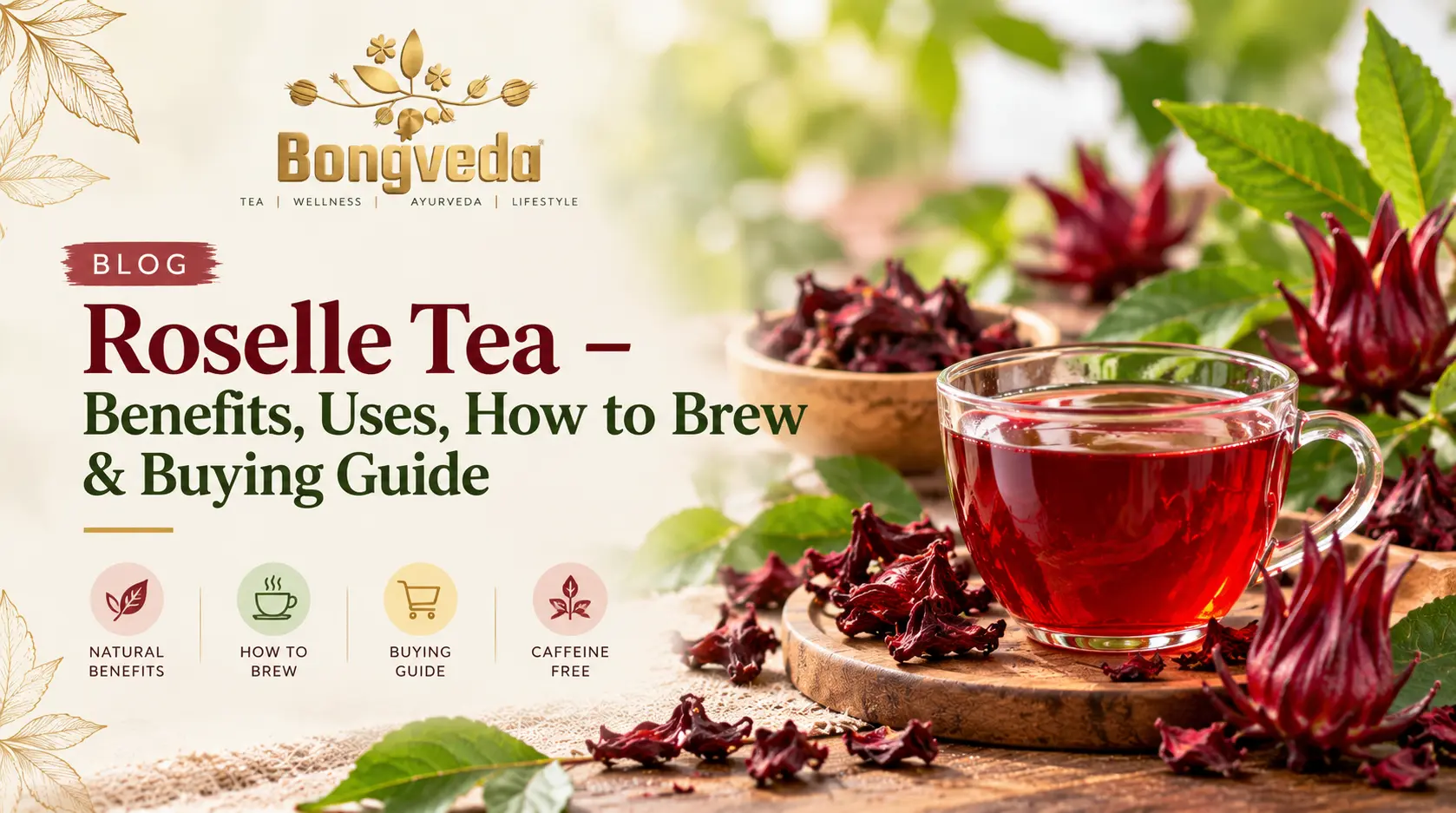
Roselle is the common name for Hibiscus sabdariffa, a plant grown specifically for its calyx — the fleshy red part that forms at the base of the flower once the petals fall away. That's the part that gets harvested and dried, not the flower itself, which is a detail most people don't realize until they look into it.
Once dried, the calyces turn a deep, almost wine-red color, and steeping them in hot water is really all there is to making roselle flower tea. The color comes out fast, and so does the tartness. Because it's a flower part rather than a tea leaf, roselle herbal tea technically isn't "tea" at all in the botanical sense — true tea only comes from Camellia sinensis. Roselle has no relation to that plant, which is a big part of why it tastes and behaves so differently from green or black tea.
Roselle Tea Benefits
Before going further, a quick disclaimer worth repeating: roselle tea is a beverage, not a treatment. It has a place in a healthy routine, but it isn't a substitute for medical care, and anyone with a health condition should talk to a doctor rather than rely on tea for answers.
Naturally caffeine-free
Since there's no actual tea plant involved, roselle contains no inherent caffeine. That makes it one of the easier swaps for people trying to cut back — you still get a warm drink in hand, just without the jitters or the evening sleep disruption.
Rich in naturally occurring plant compounds
The deep red color isn't just for show — it comes from anthocyanins, plant pigments that have been studied for their antioxidant activity. It's worth being careful with the word "studied" here, though. Research interest doesn't automatically translate into a guaranteed effect from drinking a cup of tea, and it's best treated as one small part of an overall diet rather than a headline benefit.
A genuinely refreshing drink
This is probably the most honest benefit of the bunch. Roselle's tartness and color make it a satisfying alternative to sugary soft drinks, especially served cold on a hot afternoon.
Rooted in traditional use
Hibiscus and roselle infusions have been part of everyday drinking habits across several cultures for generations — less as a targeted remedy, more as a routine herbal beverage people simply grew up with.
A change from the usual
If your day already revolves around tea or coffee, roselle offers a genuinely different option — something to reach for that doesn't nudge you toward another caffeine hit.
What Does Roselle Tea Taste Like?
Tart is the word that comes up again and again, and for good reason. Think cranberry juice with a touch of citrus brightness, minus any bitterness. There's a fruitiness underneath that keeps it from tasting one-note, but make no mistake — this isn't a gentle, easy-sipping tea. It has bite.
The color is the other thing that catches people off guard the first time. It steeps into a deep crimson, closer to beetroot juice than the pale amber most of us associate with tea. Hot, it makes a cozy, tangy cup that works nicely with a small spoon of honey to round off the edge. Cold, it turns into one of the better iced teas you can make at home — a slice of lemon or a few mint leaves and you've got something genuinely refreshing. Most first-timers find it a bit too sharp on its own, so don't be shy about sweetening it slightly until your palate adjusts.
Is Roselle Tea Caffeine-Free?
In its pure form, yes — completely. No Camellia sinensis means no inherent caffeine, full stop.
The catch is that not every product labeled "roselle" or "hibiscus" is pure roselle. Some blends mix in green or black tea for extra flavor or a stronger color, which quietly reintroduces caffeine. If staying caffeine-free actually matters to you, it's worth a few seconds to check the ingredient list rather than assuming every pack on the shelf is the same.
Roselle Flower Tea vs Roselle Tea
Here's the short answer: they're the same thing. "Roselle flower tea" just leans on the botanical angle — a nod to the calyx being part of the flower — while "roselle tea" is the shorter name you'll see most often on packaging. If you come across both terms while shopping, don't overthink it; they're describing the identical dried-calyx infusion.
Roselle Tea vs Hibiscus Tea
This one trips people up more than it should. Roselle is, botanically, a species within the hibiscus family — so a lot of what's sold internationally as "hibiscus tea" is, in fact, roselle tea wearing a more familiar name. In India, "roselle tea" has become the more precise term, while "hibiscus tea" tends to be what people recognize from abroad.
Neither label is wrong. It really just comes down to which name a brand thinks will resonate more with its audience, not a difference in what's actually in the cup.
Roselle Tea vs Green Tea
These two couldn't be more different, which is partly why they appeal to different moods and different times of day.
| Feature | Roselle Tea | Green Tea |
|---|---|---|
| Plant source | Hibiscus sabdariffa (roselle calyx) | Camellia sinensis |
| Caffeine | Naturally caffeine-free | Contains caffeine |
| Flavor | Tart, fruity, slightly sour | Fresh, grassy, mildly bitter |
| Color | Deep red/crimson | Pale yellow-green |
| Preparation | Hot or iced | Typically served hot |
| Category | Herbal infusion | True tea |
Green tea gives you a gentle lift and a fairly familiar flavor — it's the safer bet for mornings. Roselle is the one you reach for when you want something sharper and don't need the caffeine, whether that's 3pm or right before bed.
How to Brew Roselle Tea
There's no real way to mess this up, which is part of its appeal.
- Water — about 1 cup (240ml) per serving.
- Roselle — 1 to 1.5 teaspoons of dried calyces per cup. Adjust once you know your preference.
- Temperature — heat the water until it's just short of a full boil, roughly 90–95°C.
- Steep — pour it over the roselle and let it sit for 5 to 7 minutes. The color shows up almost instantly, but the flavor needs the full time to develop.
- Strain — pass it through a tea strainer before drinking.
- Serve — enjoy as-is, or stir in a little honey if the tartness is too much on the first try.
- Iced version — brew it a touch stronger (closer to 2 teaspoons), let it cool, then pour over ice with lemon or mint.
If you're new to it, start with a shorter steep and taste along the way rather than committing to a fixed recipe. The flavor sharpens the longer it sits, so you can dial it in exactly how you like it.
How to Choose the Best Roselle Tea in India
More brands are entering this space now, which is good for choice but means it's worth knowing what actually separates a decent roselle tea from a forgettable one.
- Ingredient quality — pure, dried calyces, no fillers quietly padding out the weight.
- Purity — check whether it's 100% roselle or blended with something else, especially if caffeine-free matters to you.
- Sourcing — a brand that's upfront about where the roselle comes from is usually a good sign.
- Drying and processing — well-dried calyces look vivid red; dull, overly brittle ones often mean age or poor storage.
- Packaging — airtight and light-protected packaging keeps the color and flavor from fading.
- Freshness — look for a manufacturing or best-before date, since dried botanicals do lose potency over time.
- Transparency — a clean, single-ingredient label tells you exactly what you're drinking, no guesswork.
- No unnecessary additives — roselle is vivid and tart enough on its own; it doesn't need artificial color or flavoring to stand out.
- Brand credibility — clear labeling and, for Indian products, FSSAI compliance, go a long way toward trusting what's in the box.
These checks hold up whether you're comparing organic roselle tea, premium options, or just trying to figure out where to buy roselle tea online in the first place.
Why Choose Bongveda Roselle Tea?
If you're looking for a reliable place to start, Bongveda Roselle Tea is worth a look. It's positioned as a premium, caffeine-free herbal infusion, in line with Bongveda's broader focus on Indian wellness products built around quality ingredients. It's available online, so whether you're trying roselle for the first time or switching from a blend you've outgrown, it's easy enough to get hold of.
Frequently Asked Questions
What is roselle tea? A herbal infusion made from the dried calyces of the roselle plant (Hibiscus sabdariffa), known for its tart flavor and deep red color.
Is roselle tea caffeine-free? Yes, in its pure form. Just check the label if you're buying a blend, since some mix in actual tea leaves.
What does roselle tea taste like? Tart and fruity, a bit like cranberry juice, with no bitterness to speak of.
Is roselle tea the same as hibiscus tea? Essentially, yes — roselle is a species of hibiscus, and most "hibiscus tea" on shelves is made from the same dried calyces.
How do you brew roselle tea? Steep 1–1.5 teaspoons of dried calyces in hot water (90–95°C) for 5–7 minutes, then strain.
How do I choose the best roselle tea in India? Look for a pure, single-ingredient product with clear sourcing, proper drying, good packaging, and a visible best-before date.
Can roselle tea be enjoyed hot and cold? Yes — it works equally well as a warming cup or a refreshing iced tea.
Conclusion
Roselle tea isn't trying to be a gentler version of green tea or a caffeine-free stand-in for your usual cup — it's its own thing, and that's what makes it worth trying. Tart, vividly colored, and naturally free of caffeine, it fits just as well at 4pm as it does after dinner. When you're picking one out, don't get distracted by packaging — purity, sourcing, and proper drying matter far more than how good the box looks on a shelf.
If you're looking to explore a naturally caffeine-free herbal infusion, Bongveda Roselle Tea is one option worth trying.