If you came across the term "roselle tea" somewhere and had no idea what it meant, you're in good company. A lot of people haven't heard of it until a friend hands them a cup, or they spot it on a shelf next to the usual green tea and chamomile boxes. This is meant to be a starting point — no assumed knowledge, just the basics explained properly so you know what you're drinking before you try it.
What Is Roselle Tea?
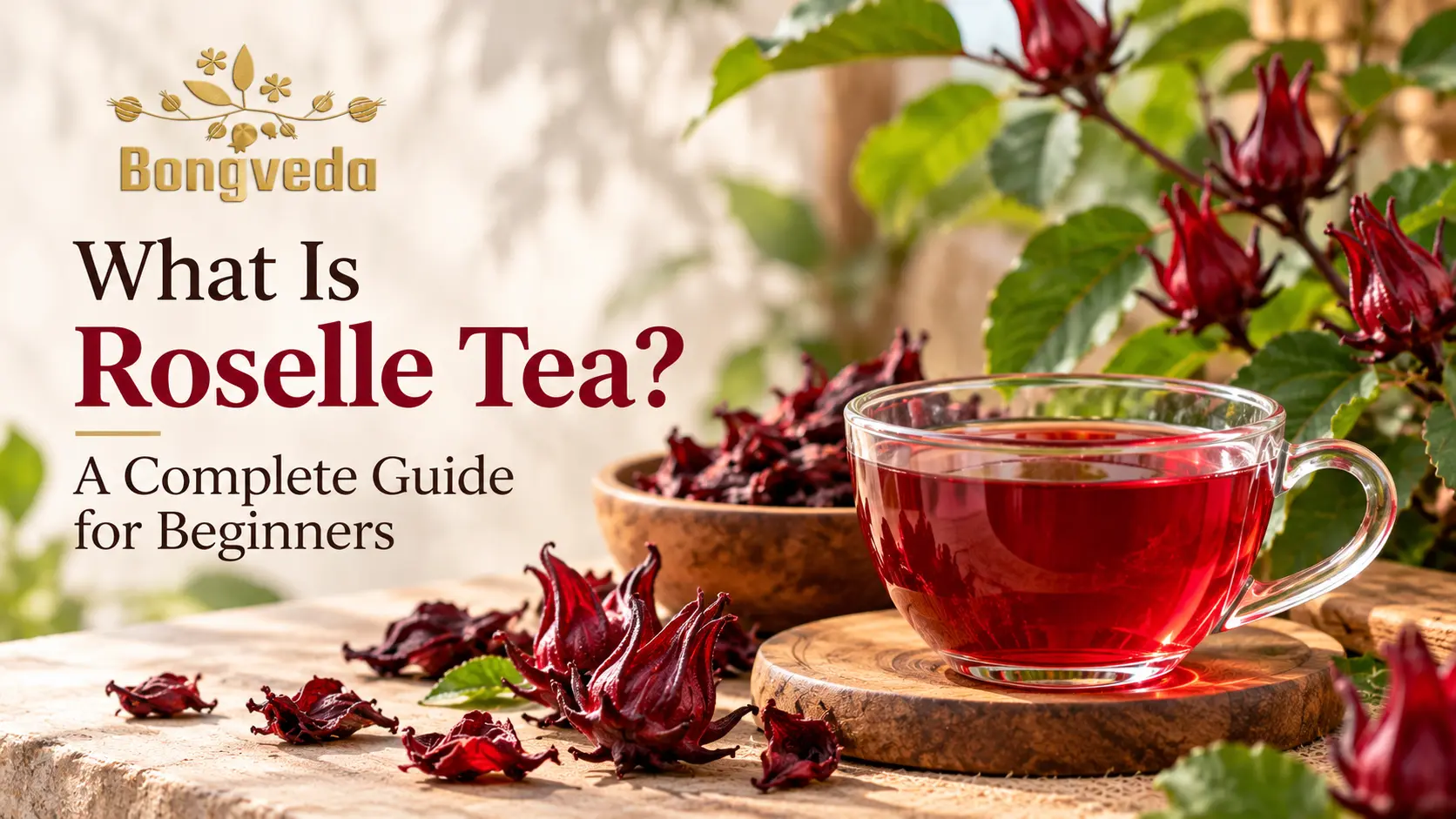
Roselle tea is an infusion made from a dried part of the roselle plant called the calyx. Steep it and you get a tart, deep red drink that doesn't taste anything like a regular cup of chai.
One thing worth getting out of the way early: roselle isn't "tea" in the technical sense. Actual tea — black, green, white, all of it — comes from one plant, Camellia sinensis. Roselle has nothing to do with that plant. It falls under herbal infusions instead, which is basically just the catch-all term for anything you steep that isn't from the tea plant. That's not a small detail either, because it explains a lot about why roselle tastes so different and why it behaves the way it does.
Where Does Roselle Tea Come From?
Roselle has been grown and used for a long time across parts of Africa, South and Southeast Asia, and the Caribbean. It's old news in a lot of these regions. In India specifically it hasn't had the same spotlight as something like ginger tea, but that's shifting as more people go looking for caffeine-free options with actual flavor instead of something watery and bland.
You'll now find it sold under "roselle tea" or sometimes "hibiscus tea," depending on the brand.
What Is Roselle Tea Made From?
This surprises most beginners: it's not the flower petals. It's the calyx — the fleshy part left behind once the petals fall off. That part gets dried, which is what gives it that deep red color and sharper flavor.
So when you open a pack of roselle tea, what you're looking at isn't whole dried flowers. It's these small, dried red pieces that look almost like torn petals. Pour hot water over them and you get both the color and the taste in one go. That's really the whole process.
What Does Roselle Tea Taste Like?
Tart. That's the word everyone reaches for, and it's accurate. Somewhere between cranberry juice and a sharp citrus note, with barely any bitterness.
It's not a gentle tea by any stretch. One look at the color tells you that — a deep red brew, closer to wine or beetroot juice than the pale amber you'd expect. If chamomile or tulsi is your usual, roselle is going to feel like a bit of a jolt the first time. A small spoon of honey helps take the edge off without burying the flavor, which is usually how I'd suggest trying it the first time around.
Is Roselle Tea Caffeine-Free?
Yes, when it's pure roselle. No tea leaf means no built-in caffeine.
Here's the catch though — not everything labeled "roselle" or "hibiscus" is actually pure. Some brands blend in real tea leaves for flavor or a stronger color, and that quietly brings caffeine back into the picture. If staying caffeine-free matters to you, just glance at the ingredients before buying instead of assuming.
Roselle Tea vs Hibiscus Tea: Are They the Same?
Mostly, yes. Roselle (Hibiscus sabdariffa) is technically a type of hibiscus, so a lot of what gets sold as "hibiscus tea" elsewhere is made from the same dried calyces as roselle tea. It's really just a naming thing — "hibiscus tea" is more familiar internationally, "roselle tea" is the term that's taken hold in India.
So don't assume you're looking at two different drinks if you see both names while shopping. Nine times out of ten, it's the same thing.
Potential Benefits of Roselle Tea
Quick note before this part: roselle tea is a drink, not a treatment, and nothing here should be read as medical advice. That said, here's what it's commonly linked to:
It's naturally caffeine-free, which makes it an easy pick if you're cutting back on stimulants or want something you can drink at night without it messing with your sleep. It also contains naturally occurring plant compounds — anthocyanins, mainly, which give it that red color and have been studied for antioxidant properties. Worth being careful with that one, though. Research interest and a guaranteed effect from your daily cup are two different things.
Beyond that, it's often reached for as a lighter, less sugary alternative to soft drinks, especially iced, and it has a long history as part of everyday drinking habits in various cultures — less a remedy, more a regular beverage people grew up with.
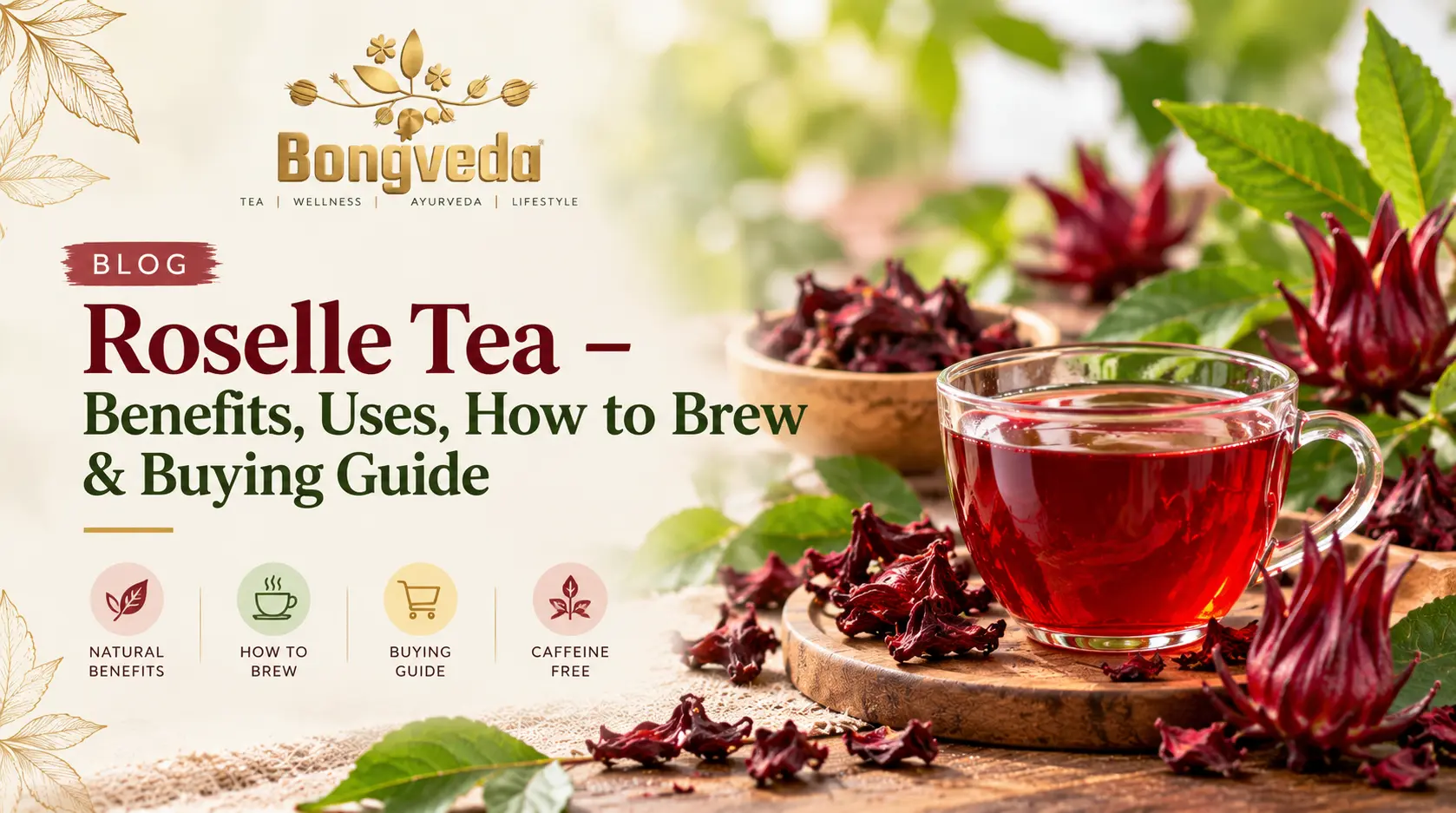
For a deeper dive into this, our full guide — Roselle Tea – Benefits, Uses, How to Brew & Buying Guide — covers it in more detail.
How to Brew Roselle Tea
Nothing fancy here.
Use about a cup of water (240ml) for every 1 to 1.5 teaspoons of dried roselle. Heat the water until it's just short of boiling, around 90–95°C, then pour it over the roselle and let it sit for 5 to 7 minutes. The color shows up almost right away, but the flavor needs that full steep time to actually develop. Strain it out before drinking, and add honey if the tartness catches you off guard.
Want it iced? Brew it a bit stronger than usual, let it cool down, then pour over ice with a slice of lemon or some mint. Works well as a change from the usual sugary cold drinks in summer.
When Can You Drink Roselle Tea?
Pretty much whenever. Since it's caffeine-free, you don't have to think about timing the way you might with coffee or black tea. Some people like it in the afternoon as a break; others drink it at night since it won't keep them up. There's no official "best time" — it's really just whenever you feel like having it.
Can You Drink Roselle Tea Every Day?
Plenty of people do, treating it like any other herbal tea in their rotation. As with most things you eat or drink regularly, moderation makes sense, and if you've got an existing health condition, it's worth a quick check with a doctor before making it a daily habit. For most people though, a cup or two a day isn't something to overthink.
How to Choose Good-Quality Roselle Tea
A few things worth checking before you buy:
Purity matters first — ideally a single-ingredient product without unnecessary fillers. Look at the calyces themselves if you can; they should be a vivid red, not dull or brittle, which usually points to age or poor storage. Packaging should be airtight and keep light out, since that's what preserves the color and flavor. Check for a best-before date too — dried botanicals don't last forever. And steer clear of anything with artificial flavoring or added color; good roselle doesn't need the help.
If you're ready to actually try it, Bongveda's Roselle Tea is a solid, no-nonsense place to start.
Frequently Asked Questions
What is roselle tea? An infusion made from dried roselle calyces, known for its tart flavor and deep red color.
What is roselle tea made from? The calyx of the roselle flower — the fleshy part left behind once the petals drop, not the petals themselves.
Is roselle tea the same as hibiscus tea? Mostly, yes. Roselle is a type of hibiscus, and most commercial hibiscus tea uses the same dried calyces.
Is roselle tea caffeine-free? Yes, in its pure form. Check the label on blends to be sure.
What does roselle tea taste like? Tart, a bit like cranberry, with little to no bitterness.
Can beginners drink roselle tea every day? Many do, in moderation. If you have a health condition, check with a doctor first.
Conclusion
Once you know what roselle tea actually is — a tart, deep red infusion made from a flower's calyx rather than a tea leaf — it's not complicated at all. Best way in is just to try a cup, maybe with a bit of honey the first time, and see how it sits with you. From there, brewing it, picking a decent brand, and fitting it into your routine is pretty much common sense.
Want more detail on the benefits and how to buy it? Check out our full guide: Roselle Tea – Benefits, Uses, How to Brew & Buying Guide. Or if you're ready to try it yourself, take a look at Bongveda's Roselle Tea.