Explore Herbal Tea for Your Everyday Tea Ritual
A warm cup of herbal tea can turn an ordinary break into a small moment of calm. Unlike regular tea, herbal infusions are made from flowers, leaves, roots and spices — which means the flavours you can explore are nearly endless. If you are looking for the best herbal tea in India for your daily routine, this page will help you understand what herbal tea is, how to choose it, and where Bongveda fits in.
Explore Our Tea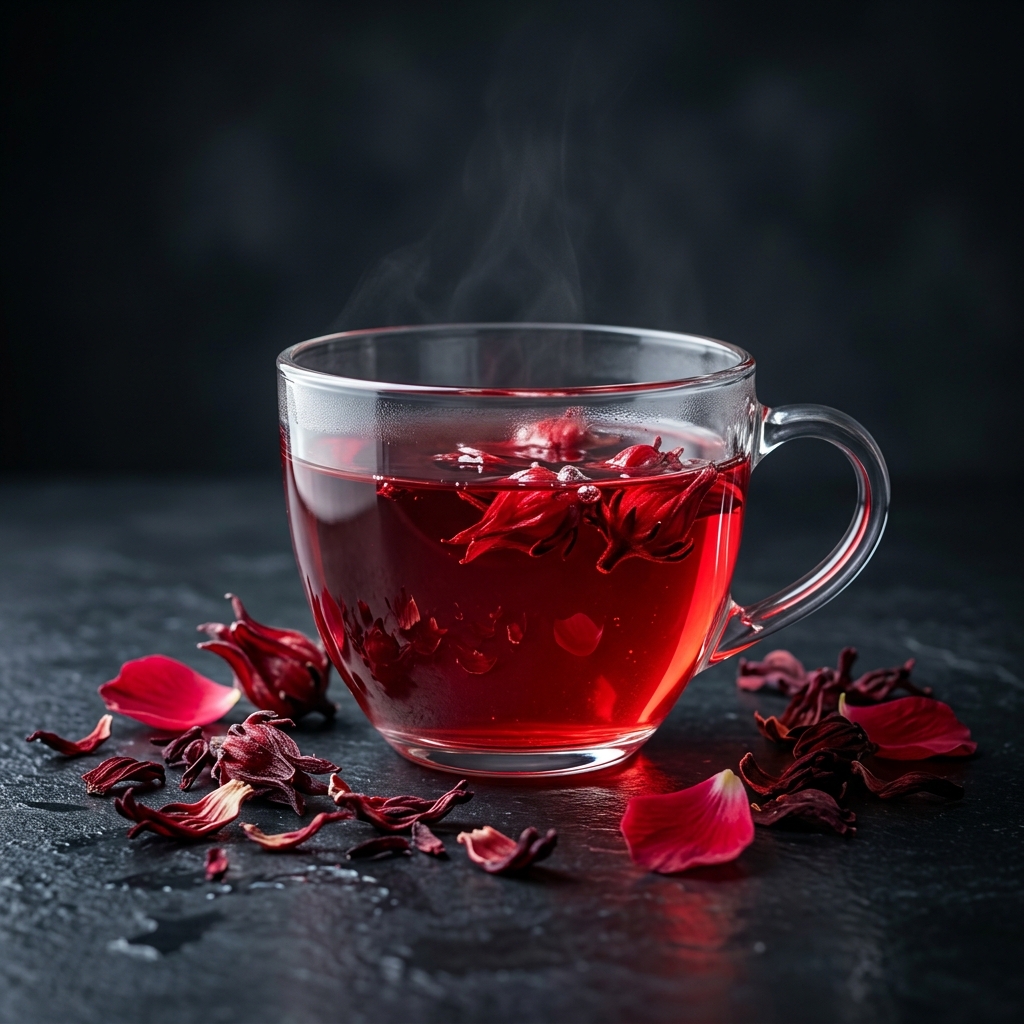
What Is Herbal Tea?
When people ask "what is herbal tea", the simplest answer is this: it is a drink made by steeping plant ingredients in hot water — but without tea leaves from the Camellia sinensis plant. That is the plant behind green tea, black tea, white tea and oolong. True tea always contains some caffeine because it comes from this one plant.
Herbal tea, often called a tisane or herbal infusion, works differently. It can be prepared using dried flowers, leaves, roots, seeds, fruits or spices — hibiscus petals, peppermint leaves, ginger root and chamomile flowers are all common examples. Because every blend uses different ingredients, no two herbal infusions taste or behave exactly alike.
One point worth knowing: herbal tea is not automatically caffeine-free. Most common botanicals, like chamomile or roselle, contain no caffeine naturally, but some blends mix herbs with actual tea leaves or other caffeinated ingredients. If avoiding caffeine matters to you, check the ingredient list rather than assuming.
Benefits of Herbal Tea
People turn to herbal infusions for many reasons, and the honest answer is that the benefits of herbal tea depend on the ingredients in the cup. No single blend does everything. That said, there are some practical reasons herbal tea has such a loyal following:
A warm, flavourful drink without the usual tea base
If you enjoy a hot beverage in the evening but want to cut down on caffeine, an infusion made from caffeine-free botanicals is an easy swap. You still get the comfort of a warm cup, just without the stimulant.
A world of aromas and tastes to explore
Herbal infusions range from tart and fruity (hibiscus) to cool and sharp (mint) to warm and spicy (ginger). Exploring different botanicals is one of the genuine pleasures of drinking herbal tea — there is always a new combination to try.
A simple way to slow down
Brewing a cup takes a few unhurried minutes: heat the water, let it steep, sit down. Many people build a small evening ritual around this — a quiet pause at the end of the day that has as much to do with the moment as with the drink.
It is worth being realistic here. Herbal tea is a food, not a medicine, and it would be misleading to promise weight loss, detoxification or protection against illness. If you have specific health concerns or take medication, speak with a qualified professional before making any herbal infusion a daily habit — some botanicals interact with medicines.
Types of Herbal Tea
Walk into any well-stocked tea shop and you will find dozens of options. The types of herbal tea you will come across most often include:
Floral infusions
Made from dried flowers such as chamomile, lavender or jasmine. Gentle and aromatic, often chosen as evening drinks.
Mint-based infusions
Peppermint and spearmint leaves produce a naturally cool, refreshing cup that many people enjoy after meals.
Ginger-based infusions
Fresh or dried ginger root makes a warming, spicy infusion, especially popular in the monsoon and winter months in India.
Chamomile infusions
Chamomile flowers are one of the most widely consumed herbal infusions in the world, valued for their mild, slightly sweet flavour.
Hibiscus & roselle infusions
Hibiscus sabdariffa — known in India as roselle — produces a striking crimson infusion with a pleasantly tart, cranberry-like taste, naturally caffeine-free.
These are general examples of herbal infusions available in the market, not a list of everything one brand sells. At Bongveda, our focus is the roselle infusion — you can explore Bongveda roselle tea to see how we prepare it.
How to Choose the Best Herbal Tea
Searching for the best herbal tea can feel overwhelming when every label promises something different. A few practical checks cut through the noise:
Read the ingredient list
The best herbal tea is the one where you know exactly what is in the cup. Look for blends that list their ingredients clearly, in plain language, without hiding behind vague phrases like "natural flavours".
Match the blend to your taste
Prefer something tart and fruity? Roselle or hibiscus is a good starting point. Want cooling and fresh? Try mint. Warming and spicy? Ginger. Let your palate, not the marketing, decide.
Check freshness and packaging
Botanicals lose their aroma over time. Airtight packaging, a clear pack size and sensible storage instructions all point to a producer that takes freshness seriously.
Look for preparation guidance
Brewing temperature and steeping time change the taste noticeably. Brands that tell you how to prepare their infusion properly are usually the ones confident in how it tastes when made well.
Consider certifications carefully
If organic farming matters to you, look for the best organic herbal tea options with credible, independently verified certification — and check the specifics on the pack, since claims and certifications are not the same thing.
Think about your own circumstances
Pregnant, nursing, managing a health condition or on medication? Some herbs are not suitable for everyone. A quick check with a healthcare professional is the safest step before making any infusion a habit.
Organic Herbal Tea — What Should You Know?
The word "organic" gets used loosely on food packaging, so it helps to know what it should actually mean. In the context of organic herbal tea, it refers to botanicals grown without synthetic pesticides, herbicides or artificial fertilisers, and processed without certain additives — under a recognised certification system.
The certification is the important part. A brand saying its tea is "natural" or "pure" is making a marketing statement; a recognised organic certification is an audited claim. If buying certified organic matters to you, look for the certification body and logo on the specific product, not just the brand's general messaging.
At Bongveda, we prefer to let each product's ingredient list speak for itself rather than lean on labels. Check the individual product pages for what is actually inside each pack.
Buy Herbal Tea Online in India
Buying herbal tea online in India has never been easier, but a few minutes of checking makes the difference between a great first order and a disappointing one. Before you buy herbal tea online, look for:
- Clear product descriptions — what the blend contains, how it tastes, and how it was made.
- Transparent ingredient information — so you know exactly what you are steeping.
- Pack sizes and pricing — compare per-gram cost, not just the sticker price, and check whether a smaller trial pack is available.
- Preparation guidance — proper brewing instructions on or with the pack.
- Delivery and return details — realistic timelines and a clear policy if something goes wrong.
- Secure checkout and reachable support — a working contact option matters more than any review badge.
Ready to try something? Discover our roselle tea and see the available pack options, or browse everything on the Bongveda shop.
Why Explore Bongveda?
Bongveda began with a simple idea: an honest herbal infusion, built around one remarkable flower. Our signature drink is the roselle infusion — made from premium roselle (hibiscus) flowers combined with Ayurvedic herbs, and naturally caffeine-free, so you can enjoy it any time of day.
We keep our focus deliberately narrow. Rather than chasing every trend in the tea aisle, we have worked on making one infusion well, in formats that suit different routines — from loose brew packs to ready-to-steep tea bags. If you are curious about roselle, you can learn more about Bongveda's roselle tea on its dedicated page, where we cover the ingredients, how to prepare it, and the packs available.