You pour hot water over a handful of dried red petals and get a tart, ruby-coloured drink. One pack calls it roselle tea, another calls it hibiscus tea. They look the same and taste the same. So are they actually different?
Short answer: in most cases, no. Roselle is the common name for Hibiscus sabdariffa, and the dried calyces of that plant are what most "hibiscus tea" is made from [1][2]. So roselle tea vs hibiscus tea is mostly a question of naming. The catch is that a name on the front of a pack doesn't tell you exactly what's inside, because blends exist and the word "hibiscus" on its own isn't very specific. That's what this guide is about.
What Is Roselle Tea?
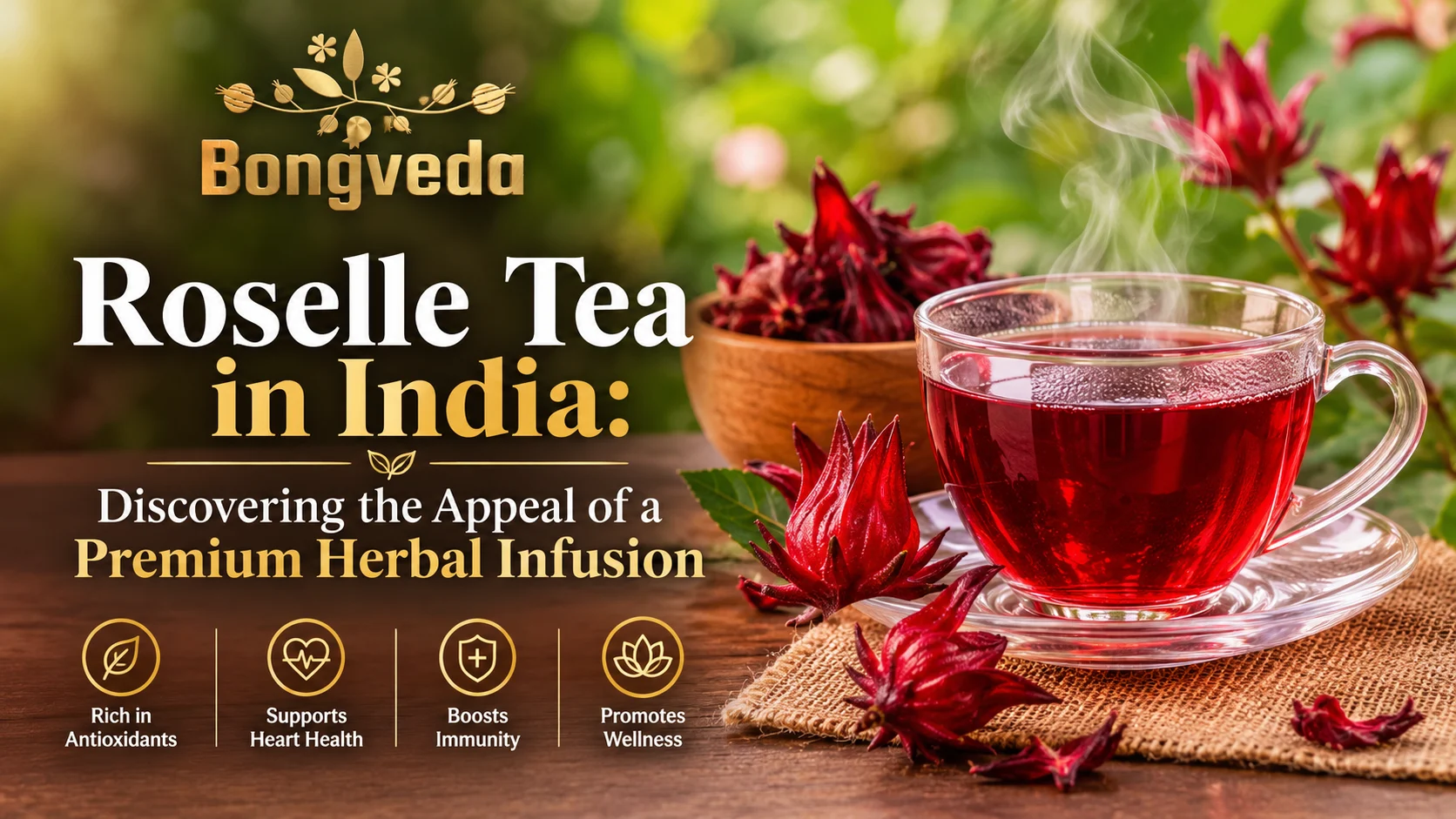
Roselle tea is made by steeping the dried calyces of Hibiscus sabdariffa in hot water. The calyx is the fleshy, cup-like part at the base of the flower, the bit that holds the seeds once the petals fall away [2].
The result is a deep red infusion with a sharp, fruity taste that's often compared to cranberry. University of Florida's extension service even notes the plant has picked up the nickname "Florida cranberry" for that reason.
One more thing worth knowing: roselle tea is an herbal infusion, not a "true" tea. Black, green and oolong teas all come from Camellia sinensis . Roselle is a different plant altogether, which is why it's naturally free of caffeine when it's made from roselle alone.
What Is Hibiscus Tea?
"Hibiscus tea" is the broader, more familiar name. In most commercial products it means the same thing as roselle tea: an infusion of Hibiscus sabdariffa calyces.
But "hibiscus" is also the name of a whole genus of plants, including the ornamental shrubs people grow for their showy flowers. Roselle is just one species in that group. The University of Florida points out that roselle is sometimes mistaken for ornamental hibiscus, and even marketed under that name. That doesn't mean every tea labelled hibiscus is something else. It just means the word alone doesn't pin down the plant. The ingredient list, ideally with the botanical name Hibiscus sabdariffa, does.
Roselle Tea vs Hibiscus Tea: Key Differences
| Roselle tea | Hibiscus tea | |
|---|---|---|
| What the name means | Common name for Hibiscus sabdariffa | Broader name, commonly used for tea made from the same plant |
| Usual botanical source | Hibiscus sabdariffa | Usually Hibiscus sabdariffa in commercial tea, but the name alone doesn't guarantee it |
| Plant part used | Dried calyces | Dried calyces (usually) |
| Typical colour and taste | Deep red, tart, fruity | Deep red, tart, fruity |
| What to check on the label | Is it pure roselle or a blend? | Which species? Pure or blended? |
| Caffeine | Naturally caffeine-free when made only from roselle | Same, if it's pure roselle with nothing added |
When both are made from Hibiscus sabdariffa calyces, they're the same type of infusion with two different labels, not two inherently different teas. Any difference you notice usually comes from how the calyces were dried and stored, whether other ingredients were added, and how the tea was brewed, not from the name itself.
Why Do Some Products Say Roselle Tea and Others Say Hibiscus Tea?
Mostly because common names change with place, tradition and marketing. Roselle is called different things all over the world: bissap in Senegal and several other West African countries, zobo in Nigeria, sobolo in Ghana, karkadé in Egypt and Sudan, sorrel in the Caribbean, and agua de Jamaica in Mexico. Other common names for the plant include Jamaica sorrel and red sorrel.
A brand might choose "hibiscus tea" because shoppers know the phrase, or "roselle tea" because it's more specific. The takeaway is simple: look at what's in the pack, not just what's on the front.
What Does Roselle Tea Taste Like?
Tart, first of all. Think cranberry with a slight floral edge and a natural tang that surprises people who expect something mellow. It's fruity rather than bitter, and the colour runs from bright ruby to deep wine-red depending on strength.
How much you use, how long you steep, and what else is in the blend all change the cup. A longer steep brings out more tartness, while spices or sweeteners soften it. Colour alone isn't a reliable sign of quality or purity, so don't treat a vivid red as proof of anything.
How to Choose Good-Quality Roselle or Hibiscus Tea
A few checks that actually help, especially if you're shopping for roselle flower tea online in India:
- Read the ingredient list. Look for Hibiscus sabdariffa or "roselle" by name. If you want pure roselle, make sure nothing else is listed.
- Look for clear information on anything extra. Blends aren't bad, but they should say what's in them.
- Check freshness and storage. Look for a best-before date, pack size and storage instructions.
- Read the preparation guidance. Good brands explain how to brew their own product.
- Compare price by quantity. Work out the cost per gram or per tea bag.
- Treat organic claims as claims. If a pack says organic, look for certification details you can check.
How to Brew Roselle or Hibiscus Tea at Home
There's no complicated technique here.
- Follow the instructions on the pack first. Blends and tea bags can differ from loose calyces.
- Steep the dried calyces in hot water. Roughly a teaspoon or so per cup is a common starting point for loose roselle, but your pack's guidance comes first.
- Adjust the steeping time to taste. Shorter for milder, longer for tarter.
- Strain if needed. Loose calyces should be strained out before you drink.
- Serve it hot, or cool it down. For an iced version, let it cool and pour it over ice, with lemon or mint if you like.
Explore Bongveda Roselle Tea
Since the main point of this article is "check what's actually inside," it's fair to apply that to Bongveda's own product. If you'd like to see the full details yourself, you can explore Bongveda roselle tea on its product page.
Here's what that page says, for context. The Roselle Brew isn't a single-ingredient tea. It's described as a blend, and the page lists 14 ingredients: roselle flower (Hibiscus sabdariffa), palm candy, black salt, moringa leaf, tulsi, ginger, clove, cardamom, cinnamon, ajwain, fennel seeds, fenugreek, black cumin and black pepper. The page describes it as caffeine-free and gives preparation instructions for both formats: for a tea bag, one bag in about 120 ml of hot water (90–95°C) for 2–3 minutes; for the loose jar, 1–2 teaspoons in 100–120 ml of hot water for 2–3 minutes, then strained. It's offered as a zipper pack, a jar and a box, and the site also lists a separate Roselle Amrit product.
So if you specifically want plain roselle with nothing else added, this isn't that, and it's good to know before you order. If a spiced herbal blend appeals to you, read the full ingredient list first, and check the page for current details, since they can change.
Frequently Asked Questions
Are roselle tea and hibiscus tea the same? In most cases, yes. Both usually mean an infusion of dried Hibiscus sabdariffa calyces. Check the ingredient list, because blends exist and "hibiscus" alone doesn't name the species.
Is roselle a type of hibiscus? Yes. Roselle (Hibiscus sabdariffa) is a species within the hibiscus genus [1][2].
Which part of the roselle plant is used to make tea? The calyx, the fleshy, red, cup-like structure at the base of the flower, not the petals [2].
Does roselle tea contain caffeine? Pure roselle tea doesn't, because roselle isn't Camellia sinensis [1]. If a product is a blend, read the ingredients to be sure nothing caffeinated has been added.
Why is roselle tea red? The calyces are naturally deep red, largely because of anthocyanins, natural plant pigments [4].
Does hibiscus tea always contain roselle? Not always, and the name alone can't tell you. Most commercial hibiscus tea is made from roselle calyces, but you should check the ingredient list for Hibiscus sabdariffa or "roselle."
How can I identify roselle tea when buying online? Look for the botanical name or "roselle" in the ingredients, a clear list of anything else in the pack, a best-before date, and brewing instructions.
Where can I buy roselle tea in India? Through online tea and wellness stores, specialty shops and brand websites. Bongveda sells its roselle products on its own website. Compare ingredients, pack size and price per gram wherever you buy.
Conclusion
Roselle tea vs hibiscus tea is less of a showdown than a naming quirk. When both are made from Hibiscus sabdariffa calyces, they're the same tart, red infusion, and the label depends on region and marketing. What matters more is what's actually in the pack: pure roselle or a blend, how fresh it is, and how clearly the seller explains it.
If you'd like to see how one brand presents its roselle blend, the Bongveda roselle tea page linked above has the ingredient list and brewing details in one place.