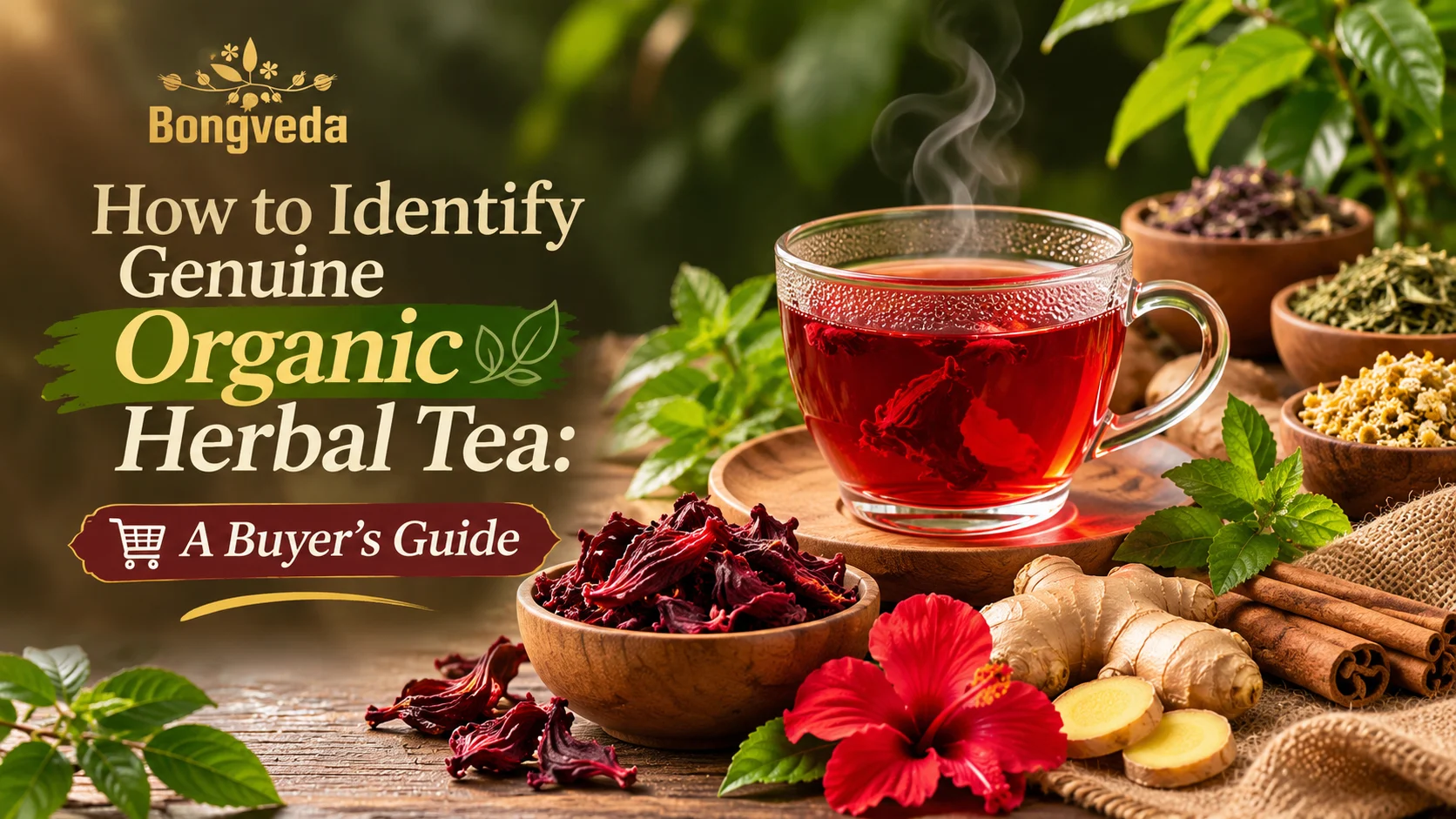
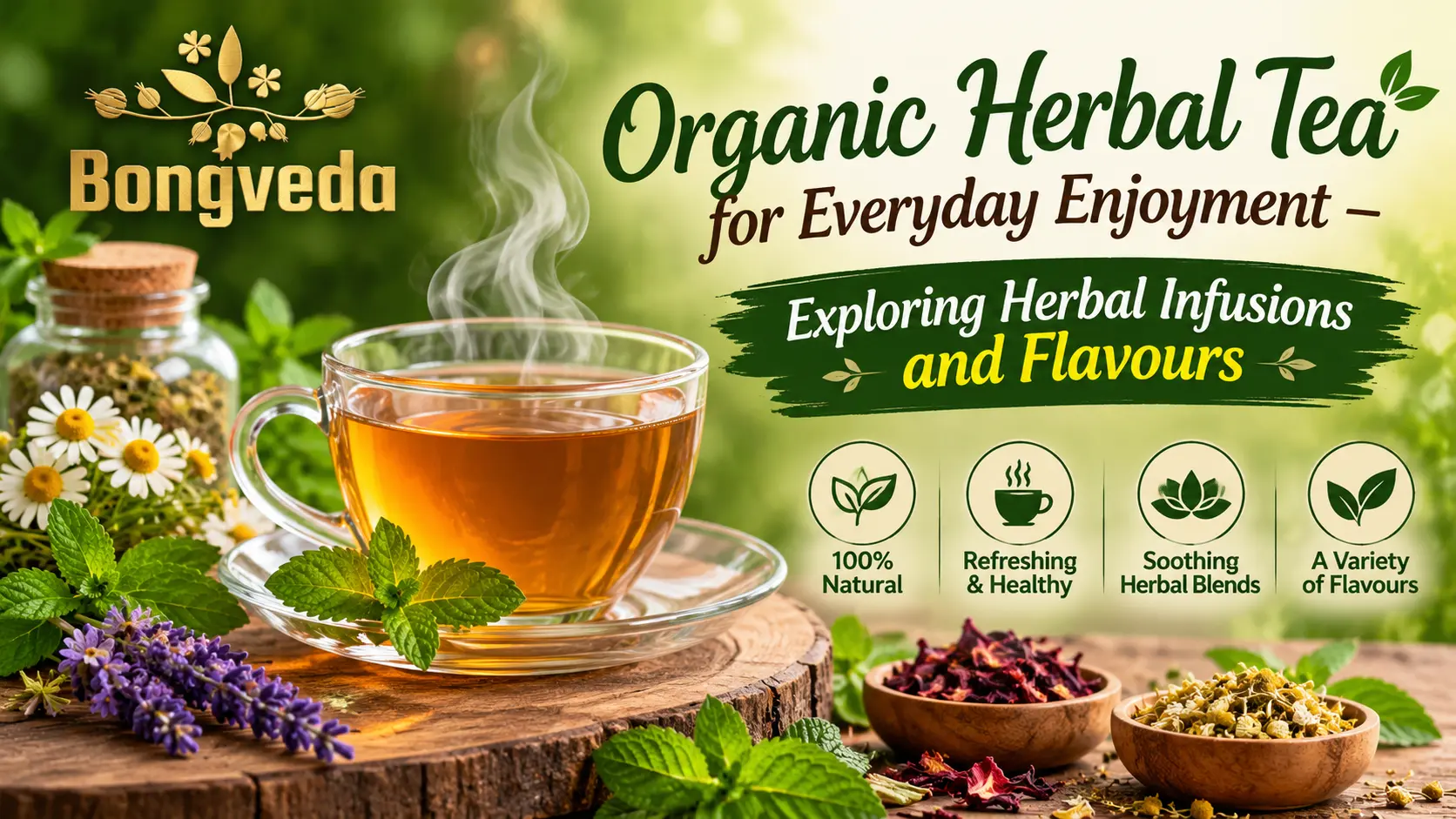
Walk into any Indian kitchen and you will likely find a few things that go into a cup: a pinch of ginger, a few tulsi leaves, a sprig of mint, maybe a dried flower someone brought back from a trip. Herbal tea takes that familiar habit and turns it into a whole world of flavours, aromas and ways of brewing.
The fun lies in the variety. Some infusions are floral and gentle, some are tart and fruity, some are cooling and minty, and others are warm and spicy. Organic herbal tea, made from botanicals grown under organic farming standards, is one way many people like to explore this range. In this guide, we look at the main types of herbal infusions, how their flavours differ, and how you can pick one that suits your taste.
What Is Organic Herbal Tea?
A herbal tea, also called a herbal infusion or tisane, is a drink made by steeping parts of plants in hot or cold water. These parts can be leaves, flowers, roots, seeds, bark or dried fruit calyces.
This is different from traditional tea. Black, green, white and oolong teas all come from the leaves of one plant, Camellia sinensis. A herbal infusion usually contains no tea leaves at all, which is why it is often treated as a tea alternative for people who want something different from their regular cup.
The word organic refers to how the plant ingredients were grown. Organic agriculture generally avoids synthetic pesticides and chemical fertilisers and follows defined standards. But not every herbal tea is automatically organic. The word on the front of a pack is not proof, so it helps to look for a recognised certification mark and a clear statement of what is certified.
Exploring Different Types of Herbal Tea
There are many different types of herbal tea, and each has its own character. Here are some of the most popular herbal tea varieties, described by flavour.
Roselle Tea
Roselle (Hibiscus sabdariffa) is a plant whose fleshy calyces, the part around the flower, are dried and used for the infusion. Steeped in water, they give a deep ruby-red drink with a naturally tart, tangy taste, a little like cranberry. If you would like to read more, our complete guide to roselle tea covers the basics, and this piece on roselle tea and hibiscus tea explained clears up a common naming confusion.
Tulsi Tea
Tulsi, also known as holy basil, is a familiar plant in Indian homes. As an infusion it has a distinctive aroma that is herbal, slightly peppery and a little sweet. Many people enjoy it on its own for the fragrance, and it also blends easily with ginger or mint.
Ginger Tea
Ginger gives a warm, spicy and slightly sharp cup. It is commonly prepared by slicing or crushing fresh ginger, or using dried ginger, and simmering it in water for a few minutes before straining. Adjust the quantity to make it gentle or bold.
Peppermint Tea
Peppermint is cool, clean and refreshing, with a strong aroma that you notice even before the first sip. It is lovely on its own, and it also pairs well with lemongrass or fennel.
Chamomile Tea
Chamomile has a mild, floral flavour with a soft, slightly sweet finish. It is a good starting point if you prefer delicate drinks rather than bold ones.
Other Herbal Infusions
The list does not stop here. Lemongrass brings a fresh, citrusy note. Fennel seeds give a light, sweet, aniseed-like taste. Many people also enjoy cinnamon, cardamom or rose petals, alone or in blends. Whichever you pick, remember that sourcing and certification vary from product to product, so check each pack rather than assuming.
Exploring Herbal Tea Flavours
Herbal tea flavours range widely because every botanical is different. Some come from flowers, some from roots, some from seeds and some from fruit parts, and that shows up in the cup. Here is a quick flavour guide:
|
Herbal infusion |
Typical flavour profile |
|---|---|
|
Roselle |
Tart, fruity and tangy |
|
Peppermint |
Cool, refreshing and minty |
|
Ginger |
Warm and spicy |
|
Chamomile |
Mild and floral |
|
Tulsi |
Aromatic and herbal |
|
Lemongrass |
Citrusy and fresh |
Taste is not fixed, though. The same ingredient can taste quite different depending on how much you use, how long you steep it, the water temperature, and whether it is a single ingredient or part of a blend. A short steep tends to be lighter; a longer steep gets stronger and sometimes more bitter or sharp.
How to Choose Herbal Tea Based on Your Taste
The easiest way to choose is to start with what you already enjoy.
- If you like tart and fruity drinks: try roselle. Its tangy character suits people who enjoy lemonade or fruit coolers.
- If you like minty and refreshing flavours: peppermint, or a peppermint and lemongrass mix, is a good place to begin.
- If you like warm and spicy drinks: ginger, or ginger with a little cinnamon or cardamom, feels close to a traditional masala-style cup without the tea leaves.
- If you prefer floral and mild flavours: chamomile or rose-based infusions are gentle and easy to drink.
- If you enjoy experimenting: try blends, or make your own at home by combining two ingredients, such as tulsi and ginger, or roselle and mint.
If you are new to herbal infusions, start with small quantities of two or three varieties. You will quickly learn which ones you reach for again.
Hot vs Cold Herbal Infusions
Most herbal infusions can be enjoyed either way, and the flavour often changes with temperature.
Hot herbal tea
This is the traditional way. Add the dried herbs or flowers to freshly boiled water, cover, and steep for the time given on the pack, usually a few minutes. Strain and serve. If it tastes too strong, add more hot water; if too light, steep a little longer next time. You can add optional extras such as a slice of lemon, a little honey or jaggery, or a few fresh herbs.
Cold herbal tea
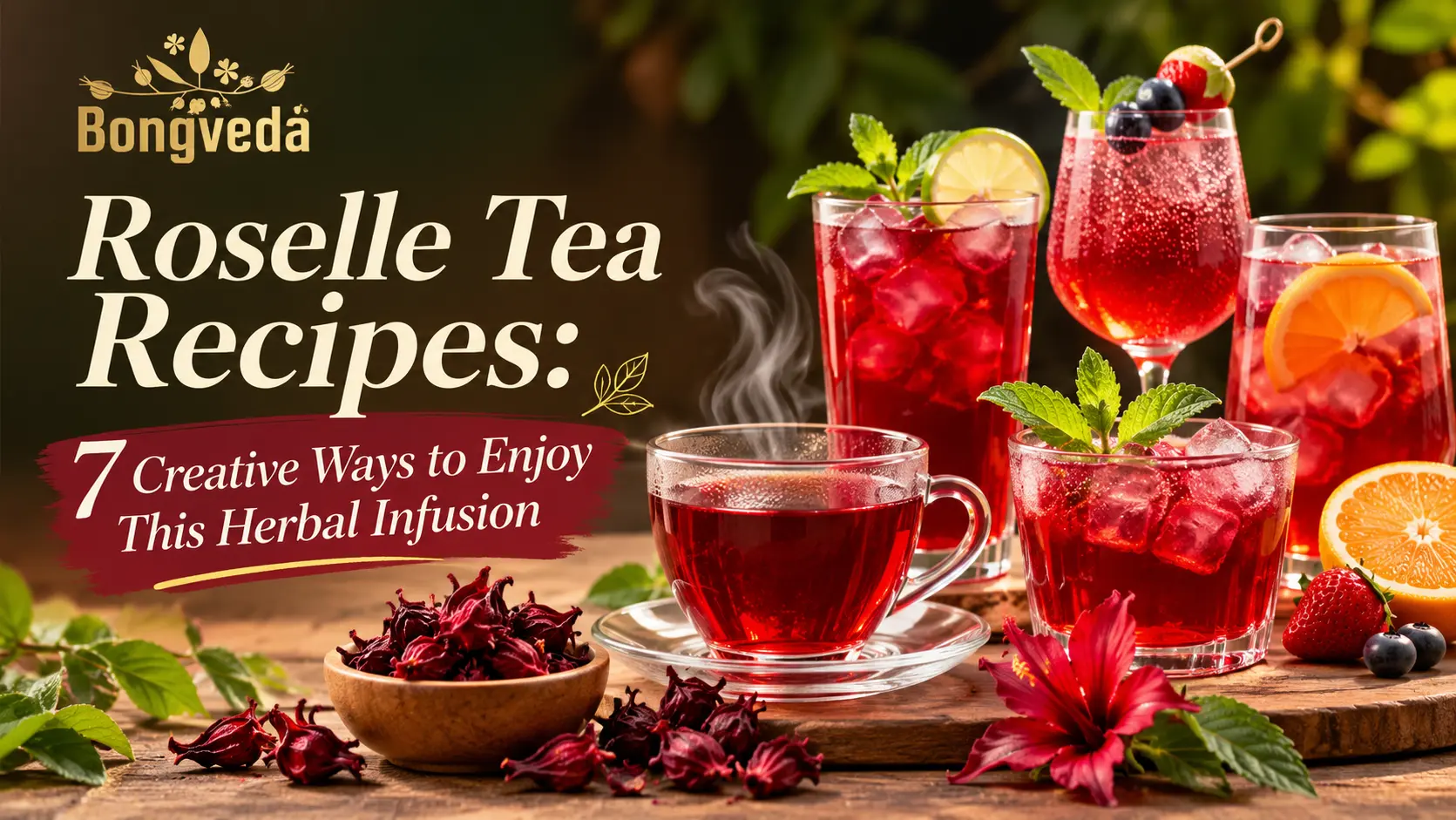
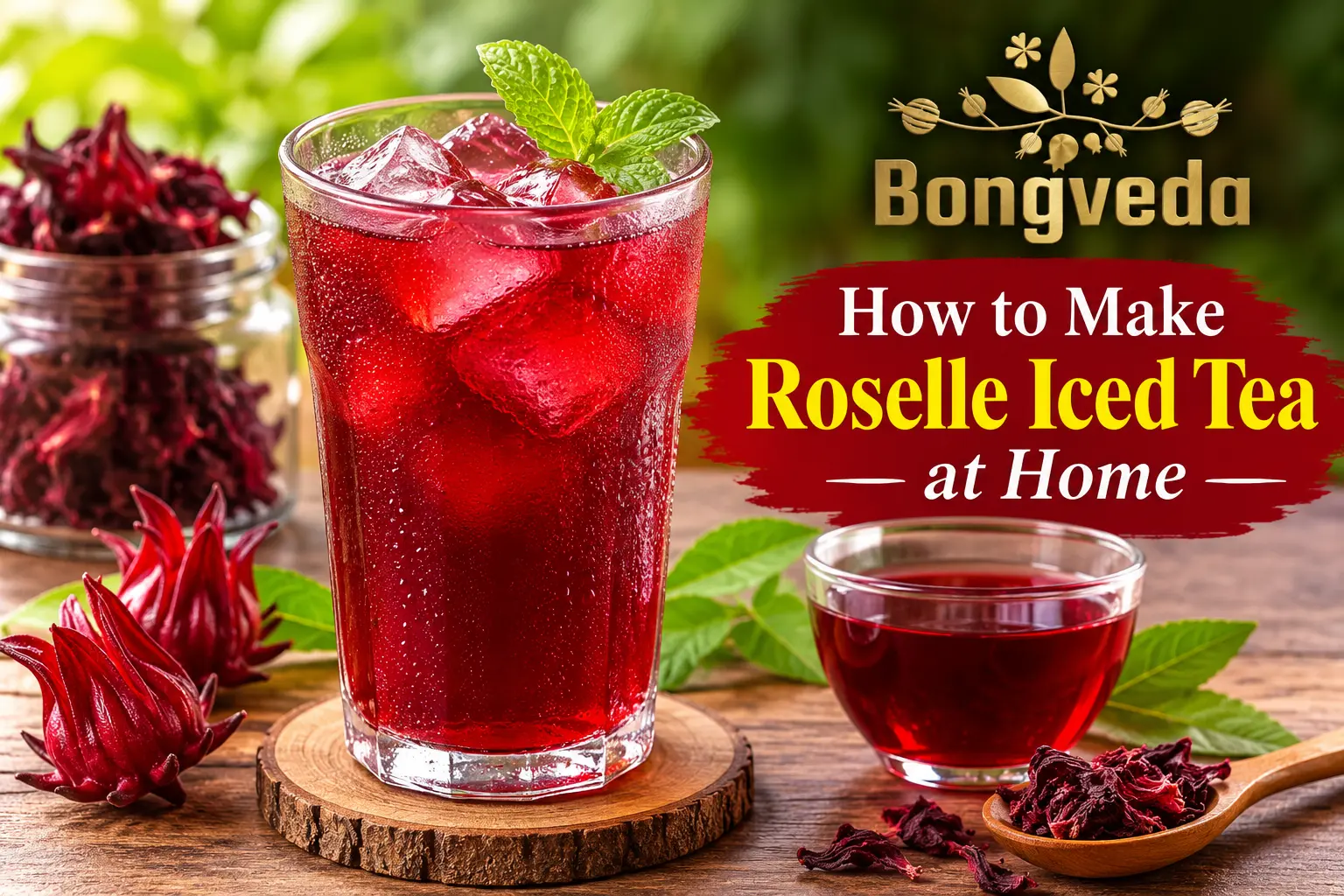
For a chilled drink, prepare a slightly stronger infusion, allow it to cool, and then refrigerate. Serve over ice. Citrus slices, mint leaves or chopped fruit make it feel festive, and you can balance tartness and sweetness to taste. Chilled infusions are popular in summer, and they are easy to make in a jug for the whole family.
Roselle is a good example of a botanical that works both ways. Hot, it is deep and tangy; cold, it turns bright and refreshing. Our roselle tea brewing and buying guide goes into more detail on preparation.
How Herbal Tea Can Fit into Everyday Beverage Routines
One reason people enjoy herbal infusions is that they fit easily into the day.
- A warm cup during a break: a simple pause in the afternoon or evening, with something fragrant in your hands.
- Chilled drinks in warm weather: especially useful during long, humid summers when you want something other than sugary drinks.
- Exploring flavours: trying a new botanical each week keeps things interesting.
- Making it at home: you decide the strength, sweetness and add-ins.
- Caffeine-free options: infusions made only from botanicals such as roselle, peppermint or chamomile do not contain tea leaves, so they are generally caffeine-free. Always check the ingredient list, because some blends may include green or black tea.
Herbal tea is best seen as a pleasant beverage choice. It is not a medicine, so if you have a medical condition, are pregnant or take regular medication, it is sensible to ask your doctor before adding a new herb to your routine.
How to Explore Herbal Tea Varieties
Here are some practical tips for discovering new herbal infusions with confidence.
- Read the ingredient list. It should clearly say what is in the pack.
- Know single-ingredient teas from blends. A single-ingredient tea lets you learn one flavour at a time; blends combine several.
- Look for botanical names. For example, roselle is Hibiscus sabdariffa, which helps you be sure of what you are buying.
- Follow the preparation instructions. Quantity, water temperature and steeping time all change the taste.
- Check organic certification claims. Look for a recognised certification mark and a certificate or licence detail, rather than relying on wording alone.
- Choose by flavour. Pick what suits your palate, not what is trending.
- Store properly. Keep dried herbs in an airtight container, away from moisture, heat and direct sunlight, so aroma and colour last.
Exploring herbal infusions is a simple way to discover new flavours and beverage preferences. If you're curious about roselle-based herbal infusions, explore Bongveda's range and learn more about the ingredients and preparation options available. You can browse the Bongveda herbal tea collection or read about Bongveda Roselle Tea to see the product details for yourself.
Frequently Asked Questions
1. What is organic herbal tea? It is an infusion made from botanicals such as leaves, flowers, seeds or roots that have been grown under organic farming standards. Look for a recognised certification to confirm the claim.
2. What are the different types of herbal tea? Common types include roselle, tulsi, ginger, peppermint, chamomile, lemongrass and fennel, along with many blends.
3. Which herbal teas have a tart flavour? Roselle is the best-known tart herbal infusion, with a tangy, fruity taste and a ruby-red colour.
4. Can herbal tea be enjoyed cold? Yes. Brew a slightly stronger infusion, let it cool, and serve it over ice. Many people add citrus, mint or fruit.
5. Are all herbal teas caffeine-free? Not always. Infusions made only from herbs, flowers or fruit parts are generally caffeine-free, but blends that contain tea leaves are not. Check the ingredient list.
6. How do I choose herbal tea based on taste? Start with the flavours you already like: tart, minty, spicy, floral or fresh and citrusy. Then try a small pack and adjust the steeping time to your liking.
7. Is roselle tea an herbal infusion? Yes. It is made by steeping the dried calyces of Hibiscus sabdariffa in water, and it contains no Camellia sinensis tea leaves. See the roselle herbal infusion page for product details.
8. What should I check before buying organic herbal tea? Check the ingredient list, botanical names, certification mark, preparation instructions, packaging date and storage advice.