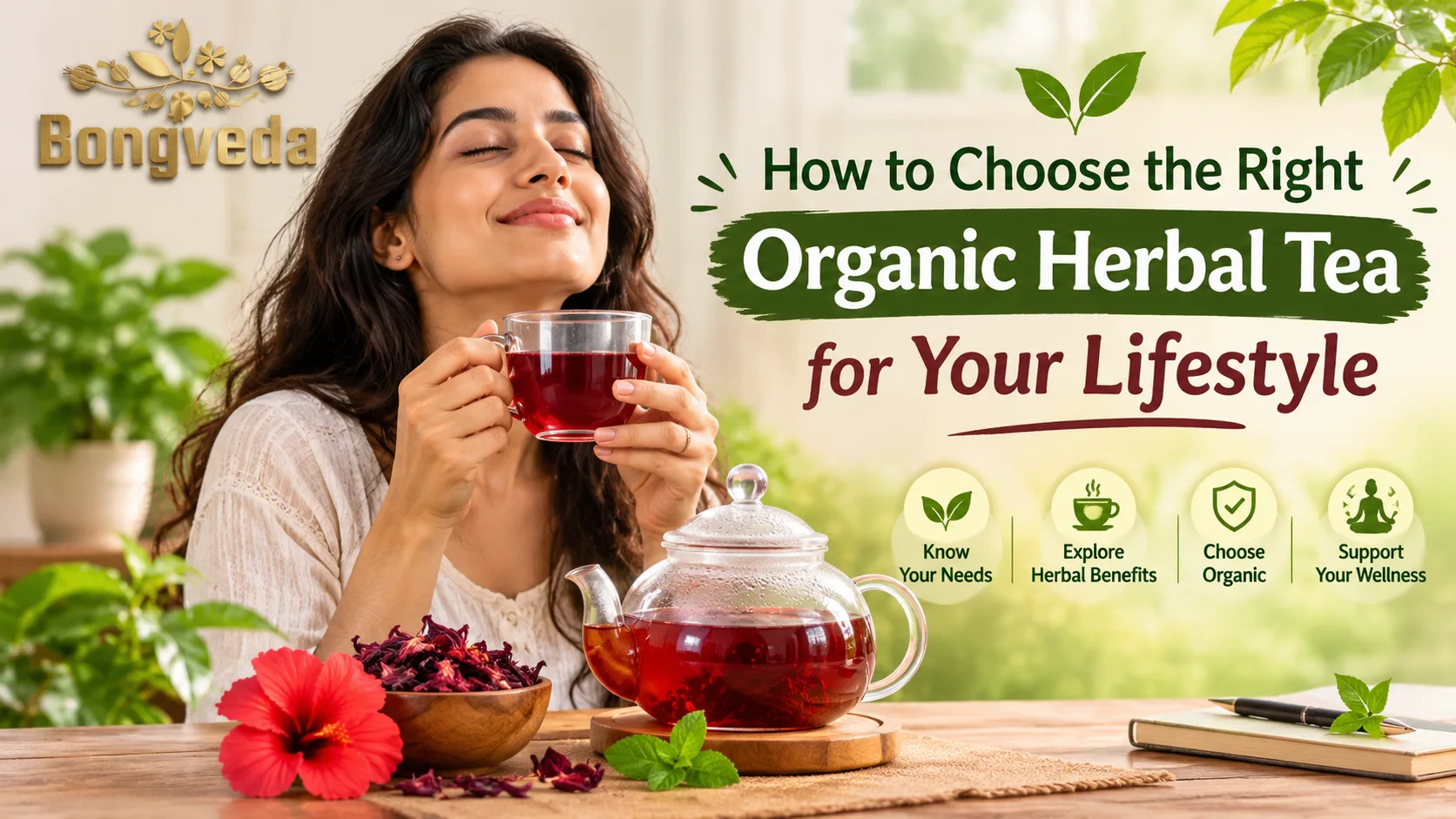
Walk into any tea shop or scroll through an online store, and you'll find herbal teas in every colour, aroma and style. Some are bright red and tangy. Others are pale, floral and soft. Some come as whole dried flowers, others as neat little tea bags, and many are blends of five or six ingredients with names that sound lovely but don't tell you much.
If you've ever wondered how to choose organic herbal tea without feeling overwhelmed, you're not alone. The good news is that the right cup usually comes down to a few simple things: what flavours you enjoy, what's actually in the pack, how you like to prepare your drink, and how clearly the product explains itself.
This guide walks you through each of those, so you can pick a herbal tea you'll genuinely look forward to drinking.
What Is Organic Herbal Tea?
Strictly speaking, a herbal tea isn't "tea" at all. True tea comes from the Camellia sinensis plant, which gives us green, black, white and oolong varieties. Herbal teas, also called herbal infusions or tisanes, are made by steeping other botanical ingredients in hot water.
Those ingredients can include:
- Flowers, such as chamomile or roselle calyces
- Leaves, such as mint or tulsi
- Roots, such as ginger
- Fruits, such as dried berries or citrus peel
- Seeds, such as fennel or coriander
- Spices, such as cinnamon or cardamom
What "organic" generally means
In agriculture, organic refers to crops grown under defined standards that typically restrict the use of synthetic pesticides and fertilisers. The key word is defined. Organic is meant to be a verifiable status, not just a descriptive word on a box.
That's why it helps to look for credible certification or clear, checkable information, rather than relying on words like "natural," "pure" or "farm fresh" alone. We'll come back to how to do this in the label-reading section below.
Explore Herbal Tea Based on Your Taste Preferences
Flavour is the easiest starting point. Before worrying about anything else, ask yourself: do I usually like tangy, sweet, soft, cooling or spicy drinks?
Fruity and tart herbal teas
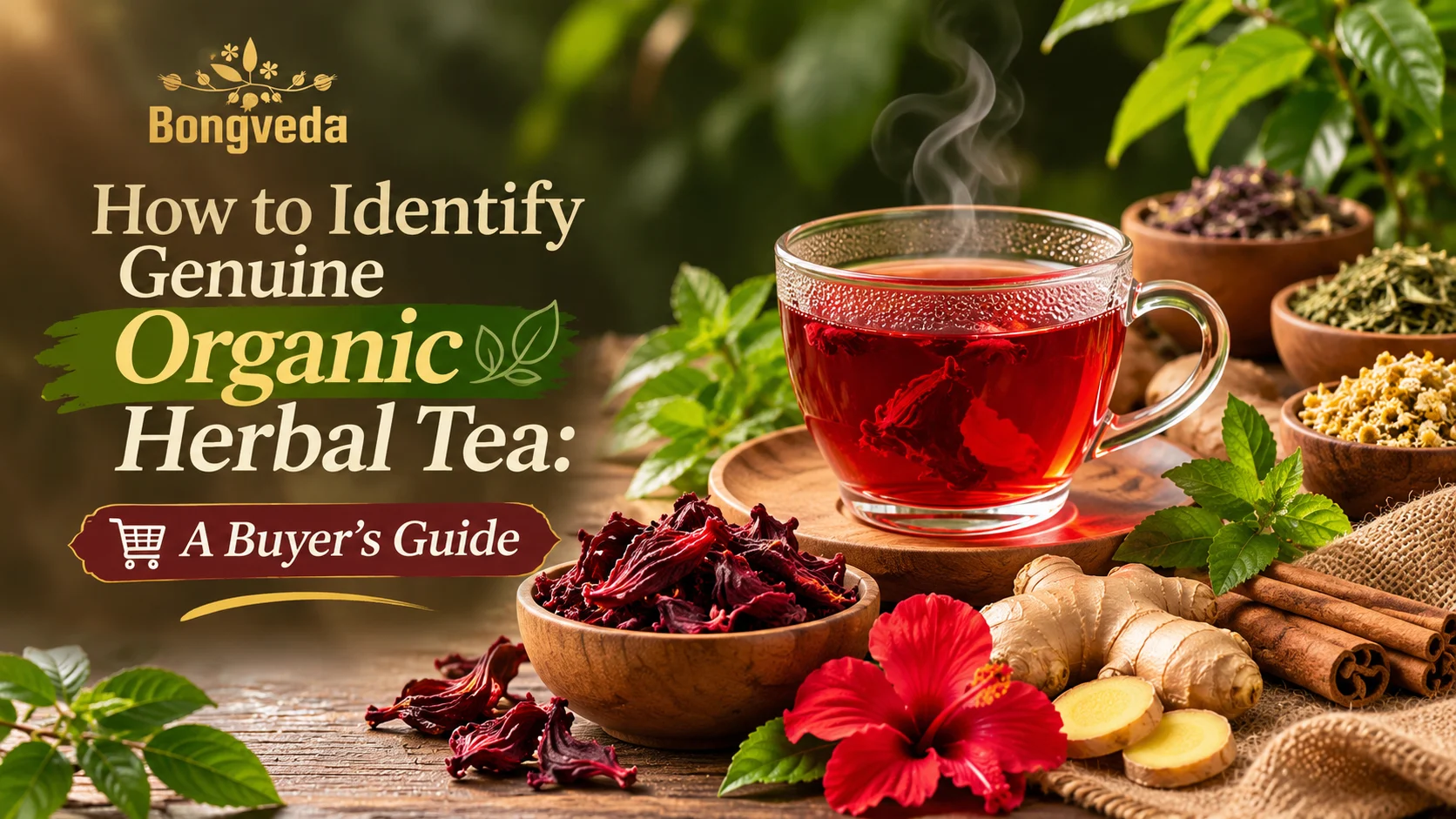
If you enjoy bright, vibrant drinks, fruit-oriented infusions are a good place to begin. Roselle tea is a popular example. Made from the dried calyces of the roselle flower, it brews to a deep ruby colour with a naturally tart, cranberry-like character. If you're curious about the basics, this beginner's guide to roselle tea covers what it is and how it tastes.
Tart infusions are often a hit with people who like refreshing, punchy drinks, especially served cold.
Floral herbal teas
Chamomile is probably the best-known floral infusion, but flowers like rose, lavender and jasmine-style botanicals also appear in herbal teas. These tend to be fragrant and delicate, with a gentle, slightly sweet flavour.
If you prefer soft, aromatic drinks rather than bold ones, floral infusions are worth exploring.
Minty herbal teas
Mint-based infusions taste fresh, clean and cooling. They're simple to brew, easy to recognise and often a comfortable choice for first-time herbal tea drinkers. They also pair well with other ingredients, which is why mint shows up in so many blends.
Spicy herbal teas
Ginger, cinnamon, cardamom, clove and black pepper can all create warming, aromatic cups. These infusions are usually more robust and often appeal to people who enjoy chai-style flavours or like a little heat and depth in their drink.
Mild and earthy herbal teas
Not everyone wants a tangy or intensely spiced cup. Some herbal ingredients, including certain leaves and roots, produce softer, earthy or slightly grassy flavours. If you find fruity teas too sharp or spicy ones too strong, a mild, earthy infusion may suit you better.
Choose Herbal Tea According to Your Everyday Preferences
Herbal tea doesn't need to be a health project. Many people simply choose it because they enjoy the flavour and the ritual. Thinking about how you like to drink can narrow your choices quickly:
- You like refreshing drinks: Look at fruity, tart or minty infusions that work well hot or iced.
- You prefer mild flavours: Floral or lightly earthy infusions are a gentle starting point.
- You enjoy bold, tangy drinks: Tart botanicals like roselle tend to deliver a pronounced flavour.
- You like experimenting: Multi-ingredient blends let you taste several botanicals in one cup.
- You prefer simple, uncomplicated infusions: A single-ingredient tea keeps things easy and transparent.
If you're new to all this, it may help to start with one simple, single-ingredient infusion in a flavour family you already enjoy, such as mint if you like fresh drinks or ginger if you like warmth. Once you know what you like, branching out gets easier. That's really the whole idea behind choosing herbal tea for beginners: start small, notice what you enjoy, then explore.
Loose-Leaf Herbal Tea, Tea Bags or Blends: What Should You Choose?
There's no single "best" format. Each has its own strengths.
Loose-leaf (or loose botanical) herbal tea
You can see exactly what you're brewing, such as whole petals, pieces of root or dried fruit. It gives you control over strength, since you decide how much to use. The trade-off is that it needs a strainer or infuser and a little more cleanup.
Herbal tea bags
Tea bags are convenient, quick and portable, which suits busy mornings, offices and travel. Ingredients are usually cut finer, so it's worth checking the label to see what's inside. Packaging matters here too, as some people prefer to look at how the bags are made and sealed.
Multi-ingredient herbal blends
Blends combine several botanicals to create layered flavours, such as tart with spicy or floral with minty. They're fun if you like variety, but they can make it harder to identify which ingredient you're tasting. If you want to understand how single-ingredient and blended options compare, this article on pure roselle tea vs blends explores the question in detail.
Choose the format that fits your routine. Many people end up keeping more than one.
Read the Ingredients Before Buying Herbal Tea
A product name can be poetic, but the ingredient list tells the real story. Here's a practical checklist for reading a herbal tea label.
1. The ingredient list
Check what's actually in the pack and in what order. Ingredients are usually listed by quantity, with the largest first.
2. Single botanical or blend?
A single-ingredient tea will name one plant. A blend will name several. Neither is better, but you should know which one you're buying.
3. Added flavourings
Some products include natural or artificial flavourings to boost taste or aroma. If you prefer a cleaner ingredient list, look for this on the label.
4. Added sweeteners
Check whether any sugar, sweetener or sweet-tasting additives are included. Many herbal teas have none, but it's worth confirming.
5. Caffeine-containing ingredients
Here's something people often miss: not every herbal blend is caffeine-free. If a product includes green tea, black tea, or other tea leaves, it will contain caffeine. Some herbs and botanicals are also sold under "tea" labels in ways that can be confusing. If you're looking for caffeine-free herbal tea, read the full ingredient list rather than trusting the name alone. For a worked example, see is roselle tea caffeine-free? And if you're weighing a herbal option against a traditional one, roselle tea vs green tea shows how the two differ.
6. Organic certification
If a product says "organic," look for a recognisable certification mark or certification details, and check whether they can be verified through the certifying body or the brand's own product information. A vague claim without supporting details is worth a second look.
7. Packaging and storage instructions
Good packaging protects flavour. Look for storage guidance, a clear net weight and batch or date information so you know what you're buying and how to keep it.
The main principle is simple: understand what's actually in the pack, rather than relying on front-of-pack claims.
How to Choose Herbal Tea for Hot and Cold Drinks
Many herbal infusions are flexible. The same dried botanicals you steep for a warm cup can often be chilled and served over ice, though the best method depends on the ingredient.
Traditional hot brewing
Add hot water to your herbs, let them steep, then strain. Delicate flowers generally need less time, while roots and spices can handle longer steeping.
Iced herbal tea
Brew a slightly stronger infusion, let it cool and pour it over ice. You can also steep in cold water in the refrigerator for a gentler, smoother result.
Add-ins
A squeeze of lemon, a few mint leaves or a slice of ginger can change the character of a cup. Try small additions first so you can taste the difference.
Steeping time and strength
A shorter steep usually gives a lighter cup, and a longer one gives a stronger flavour. If a tea tastes too sharp or too weak, adjust time or quantity next time rather than giving up on it.
Roselle is a good example of an infusion that works in both formats. Hot, it's tangy and warming. Chilled, it's bright and refreshing. You can find brewing ideas in this roselle tea guide to uses, brewing and buying.
How to Make Herbal Tea Part of Your Everyday Beverage Routine
You don't need an elaborate routine. A few easy habits can help herbal tea fit naturally into your day:
- Enjoy a warm cup during a quiet break in the afternoon.
- Keep a jug of iced herbal infusion in the fridge during warmer weather.
- Try one new botanical flavour each week.
- Experiment with simple combinations, like mint with lemon or ginger with cinnamon.
- Alternate herbal tea with your other beverages based on what you feel like drinking.
The goal is enjoyment. Herbal tea is a pleasant drink with many flavours to explore, not a quick fix for anything.
Why Ingredient Transparency Matters When Buying Herbal Tea
When you buy a herbal tea, you're trusting the information on the pack and product page. That's why transparency matters.
Clear information helps you understand:
- What botanicals you're drinking and whether they're listed individually
- Whether the product is a single ingredient or a blend
- What certifications, if any, apply, and how you can verify them
- How the product should be stored and prepared
- Whether the claims being made are realistic
Be cautious with products that promise dramatic results or use vague language. Honest, specific product descriptions are a good sign. If something isn't clear, it's reasonable to read the full product page or contact the seller and ask.
Frequently Asked Questions
How do I choose the right herbal tea?
Start with flavour: tart and fruity, floral, minty, spicy or mild and earthy. Then check the ingredient list, decide between loose-leaf, tea bags or blends, and consider how you like to drink it, hot or iced.
What is the best herbal tea for beginners?
There's no single answer, but simple, single-ingredient infusions in a flavour you already enjoy are a good start. Mint, chamomile, ginger and roselle are common starting points, depending on whether you like fresh, soft, warming or tangy drinks.
Are all herbal teas caffeine-free?
Not always. Most pure herbal infusions made from flowers, leaves, roots or spices don't contain tea leaves and are generally caffeine-free. But blends that include green or black tea do contain caffeine, so check the ingredient list.
What should I check before buying organic herbal tea?
Look at the ingredient list, any added flavourings or sweeteners, and the organic certification details. Check that the certification information is clear and verifiable, and look for storage instructions and packaging information.
Can herbal tea be enjoyed cold?
Yes, many herbal infusions work well chilled. Brew a little stronger, cool it and serve over ice, or steep it in cold water in the fridge. Roselle is a popular choice for iced tea.
What is the difference between herbal tea and herbal blends?
"Herbal tea" can refer to any infusion made from non-tea botanicals, whether it's one ingredient or several. A herbal blend specifically combines multiple ingredients in one product.
How do I choose herbal tea based on flavour?
Think about what you already like. If you enjoy tangy drinks, try fruity infusions. If you like soft, aromatic flavours, try floral ones. For freshness, choose mint. For warmth, choose ginger or cinnamon. For something mellow, try milder, earthy botanicals.
Conclusion
Choosing the right herbal tea isn't complicated once you break it down. Start with the flavours you enjoy, read the ingredients carefully, pick a format that suits your routine, decide whether you'd like it hot or cold, and look for clear, honest product information.
The best herbal tea is the one you actually enjoy drinking, so don't be afraid to experiment. Try a few different infusions, adjust steeping times, and see which flavours become your favourites.
If you'd like to explore further, you can browse Bongveda's organic herbal tea page to see the range of herbal tea options available.